Making the most of the £1,000 property allowance
The £1,000 property allowance is a helpful for individuals with small amounts of property income. The allowance provides a tax exemption of up to £1,000 a year against gross property income, meaning


The £1,000 property allowance is a helpful for individuals with small amounts of property income. The allowance provides a tax exemption of up to £1,000 a year against gross property income, meaning

Cash basis accounting is a simplified method used by sole traders and other unincorporated businesses to work out income and expenses for self-assessment in a straightforward manner.
The cash basis
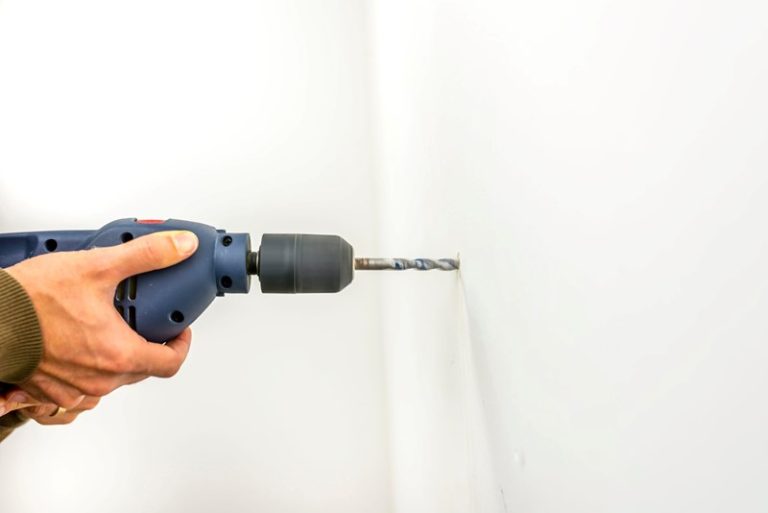
If you pay for replacing or repairing small tools you need for your job, you may be able to claim tax relief from HMRC. Eligible tools include items such as scissors, small hand tools and electric

Some self-employed individuals experience significant fluctuations in their profits from one year to the next. When this happens, HMRC’s averaging relief may help to regularise tax payments by
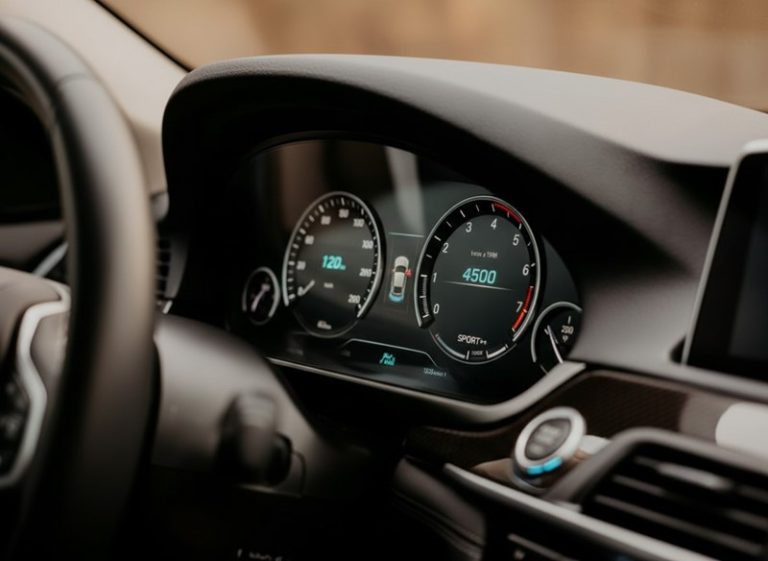
Employees who use their own vehicle for business journeys may receive Mileage Allowance Payments (MAPs) from their employer. These payments can be made tax-free up to HMRC’s approved amount,

With childcare costs continuing to rise, many working families could be missing out on valuable support through the Tax-Free Childcare scheme. The scheme helps eligible parents pay for registered

Receiving money from a family member can be a welcome source of financial support, but many people are unsure whether they need to pay tax on it. In most cases, the person receiving a gift does not
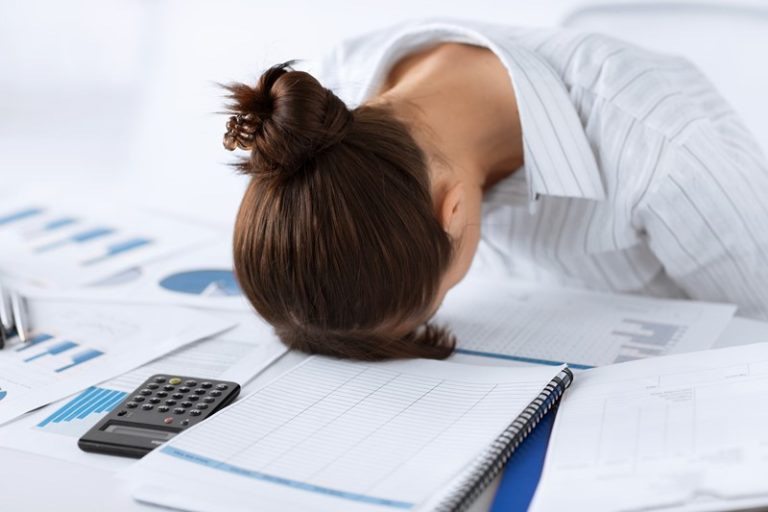
Many employees and business owners have welcomed higher earnings over the past few years. However, for a growing number of taxpayers, a larger salary does not necessarily mean significantly more money

Not every hobby becomes a taxable business, but it is important to be aware when this can happen. This can apply even if you are making some money from your hobby. HMRC looks at a range of factors to

Most individuals can earn interest from their savings without incurring a tax liability thanks to a number of allowances available each tax year (from 6 April to 5 April). These include your Personal